Characteristics of the occipital lobe
The main characteristics of the occipital lobe are:
- It is divided into two different hemispheres and the brain has a right occipital lobe and a left occipital lobe separated by a fissure.
- There has been no increase in size throughout the evolution.
- It is not vulnerable to injury due to its location, however, a serious injury to the brain can have repercussions in terms of the visual and perceptual ability of the body.
Location
The two occipital lobes are located in the human cerebral cortex and are the smallest. They are located at the back of our skull, while the occipital lobes are also part of the anterior brain.
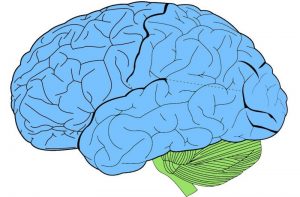
The occipital lobes are supported by the cerebellum. The two lobes are structurally enclosed in their respective cerebral hemispheres by the separation of the cerebral fissure. At the frontal edge we can find different occipital lateral circumvolutions, which are separated by means of the lateral occipital furrow.
Areas
The areas we can find in the occipital lobe are the following:
- Primary visual area: it is located in the most posterior region of the occipital lobe. It has a good definition of the vision map. Lesions in the area produce cortical blindness.
- Secondary visual area: it is formed by two different regions, the pre-striated cortex that is located around the primary visual area and the temporal infero that is located in the lower area of the left lobe. The pre-striated cortex is with memory and association with past visual experiences. The injured cortex produces a lack of recognition.
- Tertiary visual area: its cells are sensitive to binocular orientation and disparity. It participates in the analysis of the color and shape of visual stimuli.
Functions
The occipital lobe is related to the visual cortex, which is the area of the cerebral cortex where information coming from the retinas arrives first. This visual cortex is divided into several regions which are classified depending on the processing level.
The visual cortex is the part of the occipital lobe that is in charge of processing all the visual data, so to say, originals, and it is the one that is in charge of detecting the general patterns that can be found within the information that is obtained through our eyes. These original data of what is seen are sent to other parts of the occipital lobe, parts that have the function of making a more detailed processing of the vision and then, send the information that has already been analyzed to other areas of the brain.
It also intervenes in the evaluation of the different distances and the depth of things. It also helps to codify memories, to give them meaning, to elaborate linguistic answers and the correct way to give answers to the information that surrounds us.
Injuries and diseases of the occipital lobe
Some of the most common diseases of the occipital lobe include the following:
- Epilepsy: Studies have shown that the occipital lobe is closely related to the development of epilepsy. There are usually different visual manifestations such as spots, a visual limitations or blindness. Some people see flashes of light or sparks. Alterations in the vision of objects or images is also a characteristic sign.
- Hallucinations: The disorders can cause visual hallucinations and different types of illusions. Hallucinations can be caused by injuries to the occipital region or convulsions. Visual delusions occur when objects appear larger or smaller than they actually are or have color differences.
- Lesions in the area of parietal-temporal-occipital association: which are capable of causing blindness and pronunciation of words with writing problems.
Injuries that occur in the right occipital lobe result in a loss of vision in both eyes and decreased discrimination of movements.