About desertification
Desertification is a process that occurs in practically every continent except Antarctica. It is a process that affects dry lands worldwide, including those with water shortages. It consists of a process of land degradation mainly in the dry regions through different climatic processes and human activities. It is a serious environmental problem that affects socioeconomic part of towns as it affects natural resources, water and vegetation, degrading the planet.
Desertification process
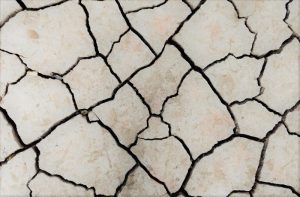
Desertification is an ecological degradation process that occurs in soils. In this process, fertility is lost, and, to a great extent, it is produced as a consequence of deforestation. Erosion, over irrigation and overexploitation of natural resources are the processes that initiate the different changes related to desertification, because they cause the soils to dry up and become totally unprotected. The climatological effects intervene then producing that the soils become deserts, changing their physical characteristics and productivity. It consists then in the conversion of the biomes that originally are fertile in biomes with desert characteristics.
Causes of desertification
The causes of desertification are varied and include the following:
- Human causes: the misuse of water and soil mainly for agriculture produces an alkalization of soils causing plants to die and not grow in place, which causes soils to dry out. Overgrazing causes vegetation to be removed, causing soils to be exposed to water and wind. Uncontrolled logging and open-pit mining are activities that humans do without control. The use of heavy machinery causes the soil to become very compact, eliminating any possibility of vegetation development, burning and cutting are also human causes.
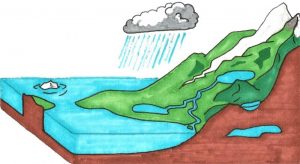
- Natural causes: natural causes are merely the biological and natural processes of nature. Erosion is one of the most frequent processes and produces wear and tear and physical and chemical changes in nature and rocks. The droughts that occur in some parts of the planet cause plants cannot grow, leaving the soil exposed to wind. The torrential rains wash the soils, mainly when it falls in zones that are already arid, producing the dragging of great quantity of sediments and removing practically all the vegetal cover that offers protection to the soils.
Consequences
Desertification produces a decrease in soil fertility which translates into a decrease in production causing poverty and environmental degradation. This soil degradation mainly affects rural communities causing less food, health and lower life expectancy. There is a great degradation of plant life and loss of biodiversity causing the extinction of species. The process of erosion is also accelerated, producing windstorms and eddies, the acceleration of erosion by water produces great crumbling of the soil and the degradation of the normal course of water. It creates an increase in water salinization causing the death and mutations of different fish species.
How to avoid desertification
The prevention and avoidance of desertification requires a series of measures and a management model, which must be implemented worldwide. Government measures to protect the soil are very important in order to prevent the associated problems. Today, technology can even cause rain in regions that are extremely dry by bombarding clouds with silver iodide. However, it must be borne in mind that climatic, ecological and economic factors must be improved in order to eliminate the problem at its root.
Some examples
In Mexico, desertification is a problem that affects most of the fields generating poverty and lack of food, affecting agricultural production by excessive overgrazing and deforestation. In Argentina, for example, there are many arid and sub-humid areas that generate great desertification caused mainly by droughts, in this country have established laws to protect soils.