Which are the wind instruments?
Wind instruments can be of two different types:
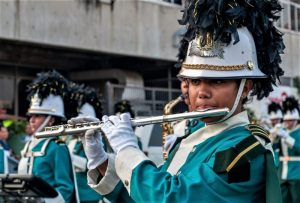
Woodwind: these are the instruments that can be played by means of different types of mouth piece, it can be through a single reed, double or through a bevel. They are made of wood, although there are some exceptions, such as transverse flute and saxophone which are made of metal.
Wind-metal: this group of instruments includes all those that are made of metal and that are played by blowing the instrument with the lips through a mouthpiece. We can mention, for example, the trumpet, trombone and tuba.
Characteristics of the wind instruments
The sound height depends on the air column length and the thickness and length of the tubes.
They have different types of devices that are used to obtain air vibration that is insufflated, and these are:
- Mouth devices, which have an opening that can be beveled or lateral.
- Single flap and double flap devices that are flexible shank or metal shims that are held in place by one end.
They are aerophones, since they produce their sound through air vibration.
They are formed by different size tubes and material.
History
The history of this type of instrument has its origin in ancient civilizations. They used animal horns, tree branches and shells to produce some sounds that were used mainly in religious ceremonies such as burials, rituals to scare evil spirits, for hunting and as a means of communication. In some cultures they were used in liturgy of some types of religions. During the Bronze Age, many peoples began to create molten metal instruments and used them in wars. In Egypt, for example, the trumpet was also for military use, but was also used to represent Osiris’ mysteries. Hebrews used the golden ox horn, better known as shofar, which was used to prevent dangers, this instrument is still used today. During the Renaissance period, big cities created instrumentalists groups with the aim of giving entertainment to their residents and open-air concerts.
Classification of the wind instruments
According to the type of building material, wind instruments can be classified into three different categories:
- Wind-metal instruments: They are built of metal and their sound is produced by the air that vibrates in a column. The air inlet orifice is called mouthpiece. Among them, we have the trumpet, tuba and trombone.
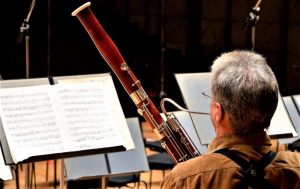
- Woodwind Instruments: They are made of wood, have a mouthpiece and this is what determines the timbre. Among them we can mention the clarinet, bassoon, flute, oboe and saxophone.
- Wind-keyboard instruments: There are two types of instruments in this group, the organ that has pipes and mouths through which the air passes which is activated by a motor and is controlled by means of keyboards and pedals. The second type is called accordion and is a popular instrument in some parts of the world, its sound is achieved by blowing the air through free reeds.
According to the way in which wind enters and acts, wind instruments can be classified into the following types:
- Simple reed instruments: as an example of this type of instrument we can mention clarinets and saxophones, as well as all their variants.
- Double reed instruments: in this group we can find instruments such as oboe and bassoon, English horn, or the hornpipe.
- Embouchure Instruments: includes the commonly called “brass wind”, these are: trumpet, horn, trombone and tuba.
- Instruments with air tanks: these instruments can be of two different types, those that have tubes as for example the organ of tubes and the instruments without tubes as the accordion and the bagpipe.
Examples of woodwind instruments
- Flute
- Oboe
- Clarinet
- Bassoon
Examples of brass instruments
- Trombone
- Trumpet
- Horn
- Tuba
- Trumpet of Piccolo
Examples of African wind instruments
- Arghul, Argul, Yarghul
- Ghayta
- Mezwed
- Valiha
- Mizmar, Zurna, Ssornaii
What’s an orchestra?
The word comes from ancient Greece and was used to define the choir that along with zithers and horns performed dances on the front of the consecrated altar. Today, the word is used to designate a group of instrumentalists who accompany a singer or who play a music score together following a director’s instructions.