Characteristics
The main characteristics of fresh water are as follows:
- It is one of the most important aquatic ecosystems on the planet.
- It is called fresh water because its salt concentrations are minimal.
- It has approximately 1% sodium chloride.
- It discharges its waters into the oceans from the mouths of rivers.
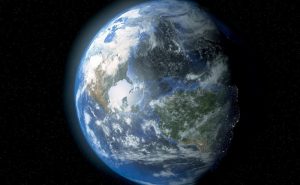
- It covers approximately 1/5 of the total water of the planet.
- Have abundant mineral nutrients.
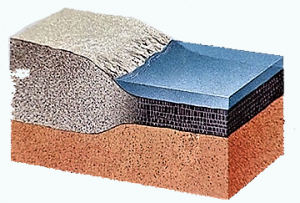
- Its size varies and they have sediments at the bottom of its waters.
How it is produced?
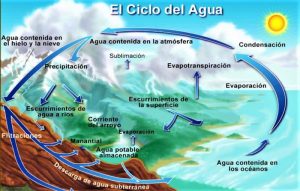
Fresh water can be produced by different means, rain is probably the most important of them and is the product of the evaporation of the water that is on the ground and has become rain. Groundwater is the largest source of fresh water on the planet but cannot be consumed by humans. Ice, either by melting polar ice caps or by falling snow is another source of fresh water, although it is not fully consumable can be treated for this purpose.
Types
The types of fresh water that we can find on the planet are the following:
- Ponds and lakes: which can vary in size and are scattered all over the earth. Many ponds are seasonal, and along with lakes may have limited species diversity as they are often isolated from each other and other water sources such as rivers and oceans.
- Streams and rivers: bodies of water flowing in one direction. They can be found everywhere and usually end up in the ocean. The characteristics of a river or stream tend to change as it travels to the sea.
- Wetlands: areas of stagnant water in which aquatic plants Marshes, swamps and marshes are wetlands and have the greatest diversity of species of all ecosystems, as well as amphibian, reptile and bird species.
Environments
There are three different types of fresh water environments or ecosystems:
- Wetland ecosystem: are the regions that are flooded or saturated with water in a particular part of the year.
- Lentic ecosystem: are areas of low flow or quiet water, such as ponds, reservoirs, lakes or swamps.
- Lotic ecosystem: areas where water has an important movement such as springs and streams or rivers.
Where to find fresh water
The planet’s fresh water can be found in rivers, streams, lakes, pools, groundwater, ice, snow and glaciers.
Fresh water fish
Some of the important fresh water fish are the following:
- Bocachico: very commercialized in Latin America although it has many thorns in its body.
- “Cachama”: is quite large and weighs 35 kilograms, widely used in food and fishing.
- Salmon: one of the most persecuted fish for food.
- Catfish: it is found in America although they are native of Europe and they are known with the name of fish cat.
- Trout: found in Europe and Asia but has included countries such as Venezuela, Ecuador and North America. It is easy to raise and very good taste.
Uses
Fresh water is vital to our lives and, as such, has many uses. It is used in domestic applications involving food, cleaning, washing and hygiene. It is a source of entertainment and sports such as windsurfing and swimming. It is widely used in the area of agriculture to irrigate crops in livestock for animal feed and cleaning facilities.
It is also used in industrial use in factories, workshops, construction and manufacturing industry. Probably one of the main uses of water is as a source of energy because it is an ideal method for the production of electricity. And finally, it is also used as a means of communication.
Sources
The sources from which we can obtain fresh and fresh water are rain, groundwater that can be desalinated and converted into drinking water, ice and ice caps, rivers, lakes, ponds, streams and natural springs.
Reserves
The world’s main fresh water reserves are to be found in:
- Burma: has 1,080 cubic kilometers of water. Rivers originate in the mountains, but more than 80% of the water is received by rain.
- Venezuela has approximately 1,320 km3 of water and many rivers end up in the Orinoco, the third largest river in Latin America.
- United States: with 2,480 km3 of water and has plenty of rivers and lakes, although some countries suffer from droughts.
- China: has 5-6% of the world’s water reserves but, having the highest population density on the planet, its water distribution is extremely unequal.
- Canada: has 7% of the world’s renewable fresh water resources and less than 1% of the world’s population.
Fresh water scarcity
Water scarcity can be defined as lack of sufficient water, or not having access to safe and healthy water supplies. Water scarcity usually occurs in areas of the planet where rainfall is scarce and where there are more episodes of drought.
Fresh water shortages occur when we have insufficient reserves to guarantee the medium- and short-term supply of water. Water reserves in swamps rise and fall depending on rainfall.
The problem of fresh water scarcity is serious for people, agriculture and industry. This is one of the main challenges that humanity will have to face in the coming years. Climate change and the destruction of ecosystems by human irresponsibility has made access to fresh drinking water one of the concerns of most countries in the world, mainly those with the most limited water and economic resources.
Importance
Its importance lies in the fact that it is a vital liquid for the proper development and maintenance of life on the planet, it is the basis for all living forms as well as for daily activities, in industry and agriculture.
All animals and plants need water to survive and without it they would not be able to perform the biological processes necessary for physical fitness and growth.
Why is it called fresh water?
Fresh water has no smell, color or taste, which means that it contains very low concentrations of the minerals found in sea saltwater, although it generally has a certain amount of some dissolved minerals such as calcium, silica, magnesium or iron. We can say then that the water is fresh because the dissolved salts are not stored in them because they are carried to the seas very quickly and do not remain in fresh water for long.
Outstanding fresh water rivers
Some of the major fresh water rivers we find on our planet are:
- Danube, Seine, Volga, Mississippi, Missouri, Amazon, Rio de la Plata, Orinoco, Euphrates, Amur, Nile, Congo, Senegal, Limpopo.