Characteristics of the biosphere
Among the most outstanding characteristics of the biosphere we can mention the following:
- The life found in the biosphere develops mainly in the most superficial layer of the soil.
- It uses solar energy as its primary source of energy.
- In it, everything works through ecosystems.
- It is a thin layer of approximately 20 kilometers.
- It has a large number of living beings and other non-living elements that are part of ecosystems.
- It is the only layer that has the capacity to preserve and maintain the life of living beings.
- The living beings of the biosphere are able to live up to 6 kilometers above sea level and these develop and inhabit the heights, such as alpacas and llamas.
- Some marine animals can live up to 7000 meters deep like crustaceans and eels.
- There is an interaction between all living beings that inhabit the biosphere.
Structure of the biosphere
The structure of the biosphere has three different components: abiotic, biotic and energetic components.
- Abiotic components: this group consists of all non-living elements that are necessary for the proper survival of all living organisms, e.g. water, oxygen and minerals, which are basic requirements of organic life.
- Biotic components: they include plants, animals and human beings to make biotic components of the environment. Within the biotic components we find three different subsystems:
- Plants: they are a very important part of the biotic components. They are primary producers of food through the process of photosynthesis. They are also known as autotrophs.
- Animals: the main consumers of plant products are animals, for and are known as heterotrophs. They use organic matter produced by plants and transform food into energy.
- Microorganisms: have the function of acting as decomposers of dead plants and animals.
- Energy: It is the main component of the biosphere as it is essential for the reproduction and generation of all biological life on Earth.
Layers
Its layers are as follows:
- Geosphere: also called lithosphere and is the layer that is covering the planet. It is formed by rocks and depending on them, soils can be organic, clayey, sandy or rocky.
- Hydrosphere: is the third and most extensive layer containing all aquatic life. It can be saltwater or fresh water.
- Atmosphere: last layer and where are the gases that protect living beings from the radiation of the sun and meteorites. It is composed of oxygen, carbon dioxide and nitrogen.
Components of the biosphere
It is basically composed of water, soil and air. These three elements are necessary for habitats to survive, as are all living beings that inhabit the planet. It is also composed of carbon oxides, ecological systems that include biotic and abiotic factors, ecosystems, plants and animals.
Functions
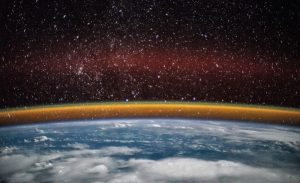
The biosphere is the part that contains the planet’s life. One of its main functions is to maintain an adequate atmospheric balance in the earth, in addition to distributing life, since thanks to it we have a great diversity of plants and animals located in strategic areas for their proper functioning. It is the layer in which we find the food chains, fundamental for the survival of the different species that inhabit the planet.
Biosphere reserve
These are areas in which we find marine or terrestrial ecosystems that have been recognized by UNESCO and that serve to adequately integrate populations and nature by promoting adequate sustainable development, and in which solutions are sought to conserve biodiversity, economic development, research and education.
Importance
It has the function of promoting the conservation of landscapes, ecosystems, species and genetic variation; it also has a development function as it seeks to improve economic and human development in ways that are socio-culturally and ecologically sustainable; and finally it has a logistical function because it assists in research, education and the exchange of information related to local, national and global conservation and development issues.
Pollution of the biosphere and its consequences
Some activities developed by man affect and damage the biosphere. Disproportionate population growth, massive destruction of habitats for agriculture and urbanization, pollution, damage the environment. The consequences are serious, including the greenhouse effect that causes world temperatures to rise steadily; the ozone layer is slowly being destroyed, giving way to ultraviolet radiation that can damage plants, animals and humans; the acid rain that occurs when some fossils are burned, this rain contains sulfuric acid and nitric acid, which evaporate and return to the earth in the form of rain.
Examples
Some examples of biosphere reserves are:
- Bliesgau Biosphere Reserve, Germany.
- Gran Arenal Biosphere Reserve in Australia.
- Fuerteventura Reserve in Spain.