About runoff
Runoff consists of a current of water that originates as a result of the different precipitations that occur and that circulates and spreads over the soil when the existing capacity of evaporation and infiltration of water in the soil has been overcome and the soil can no longer absorb it. It is for this reason that runoff runs through soils and has the ability to expand freely.
This water flowing through soils also feeds rivers, lakes, seas and oceans and also produces, as a negative effect, soil erosion.
Surface runoff
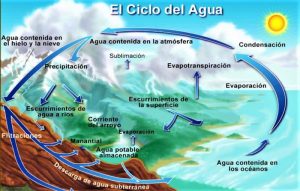
Surface runoff is the fastest type of runoff in nature and is at the same time the main cause of soil erosion, as well as being an important part of the water cycle. It originates or derives from rainfall, from the melting of snow and glaciers. These runoffs are those that most frequently reach the waters of oceans, rivers and seas and have the ability to generate various damages to crops, trees, plants and vegetables.
It is important to mention that surface runoffs can be affected many times by the different activities carried out by human beings, and for this reason some of these waters that run freely on the ground also carry large quantities of garbage, chemicals and other waste that negatively affect water and the environment.
Underground runoff
Underground runoff occurs beneath the ground after water has infiltrated through it. The water then circulates horizontally and then has the ability to flow out again in the form of a spring. This type produces waters that can be used and that are available in periods of drought, but it must be remembered that they are not a renewable resource, so if these waters are extracted without control, a depletion of the water resource will occur. The speed at which water moves in underground runoff is very slow but its resistance time is considerably high.
Hypodermic runoff
Hypodermic runoff is part of the precipitation that infiltrates the ground and can circulate in the subsoil at very shallow depths and at short distances, until it reaches the surface when it finds a flow channel through which to rise, and then becomes part of the surface runoff after the rain has passed, and fails to feed the groundwater.
Effects
The main effects of runoff are as follows:
Erosion
It is important to remember that soil is the surface layer of the earth’s surface that is formed by a series of organic and inorganic materials. One of the particularities of soils is that they are filled with materials that are not consolidated, for example, clays, silts, sands, gravel, etc. And it is precisely this characteristic that makes soils so susceptible to erosion, mainly water erosion that occurs when runoff cannot be controlled.
Environmental impact
The main environmental problems associated with runoff are the impacts on surface, groundwater and soil water by transporting water pollutants into these systems. These consequences lead to risks to human health, ecosystem disturbances and aesthetic impact on water resources.
Some of the pollutants that affect surface waters and are derived from runoff are substances from oil, herbicides and fertilizers. In the case of surface waters, the impacts become water pollution, as streams and rivers have been supplied with chemicals. When surface waters are a supply of drinking water, they are compromised producing health risks.
Contaminated surface waters run the risk of altering the metabolic processes of the aquatic species they host; causing the death of fish or altering the balance of present populations. It can also affect the mating of animals, spawning, viability of eggs and larvae, survival and productivity of water plants.
Prevention
Some preventive measures against runoff are:
- Public education to inform about ways to avoid rainwater pollution.
- Public participation in local program implementation.
- Detection and elimination of illicit discharges.
- Runoff controls at construction sites.
- Post-construction stormwater management controls.
- Pollution prevention measures.